

Usage-Based Car Insurance: Is Letting an App Track You Worth It?
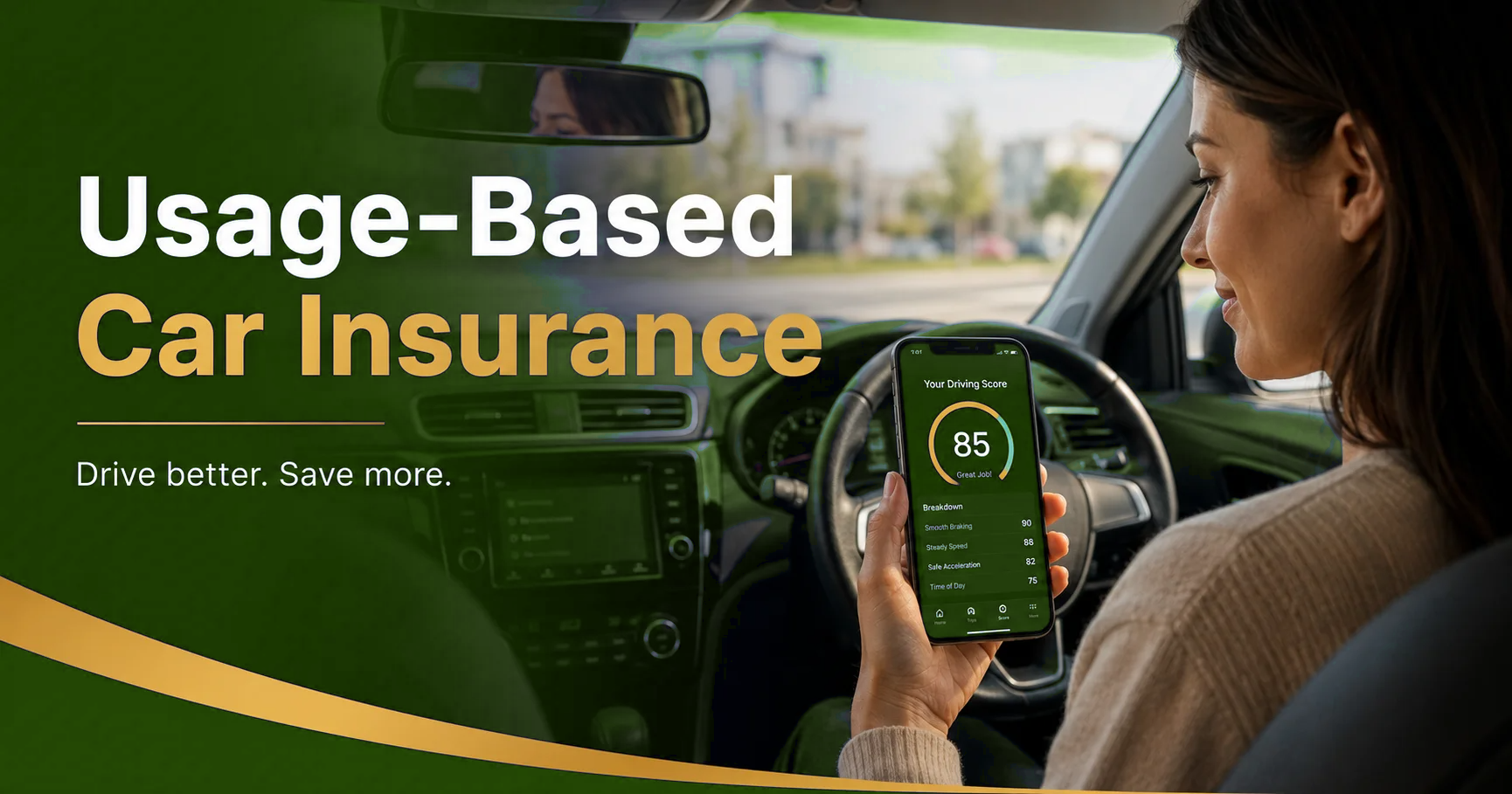
You’re getting a quote and the agent says something like this. Download our app and drive normally for a few weeks and you could save money. It sounds easy. But a small voice in your head asks a fair question. What exactly is this app watching? And could it make my price go up?
Usage-based car insurance can be a great deal for some drivers and a bad fit for others. This guide explains how it works and who tends to save. It also covers the risks people don’t think about until after they sign up.
The quick answer
Usage-based car insurance sets part of your price based on how and how much you actually drive. An app or a small device tracks things like miles and braking and phone use and time of day. Careful or low-mileage drivers often earn a discount. But with some programs risky driving can raise your rate. So it’s worth it mainly if you drive safely or not very much.
The two main types
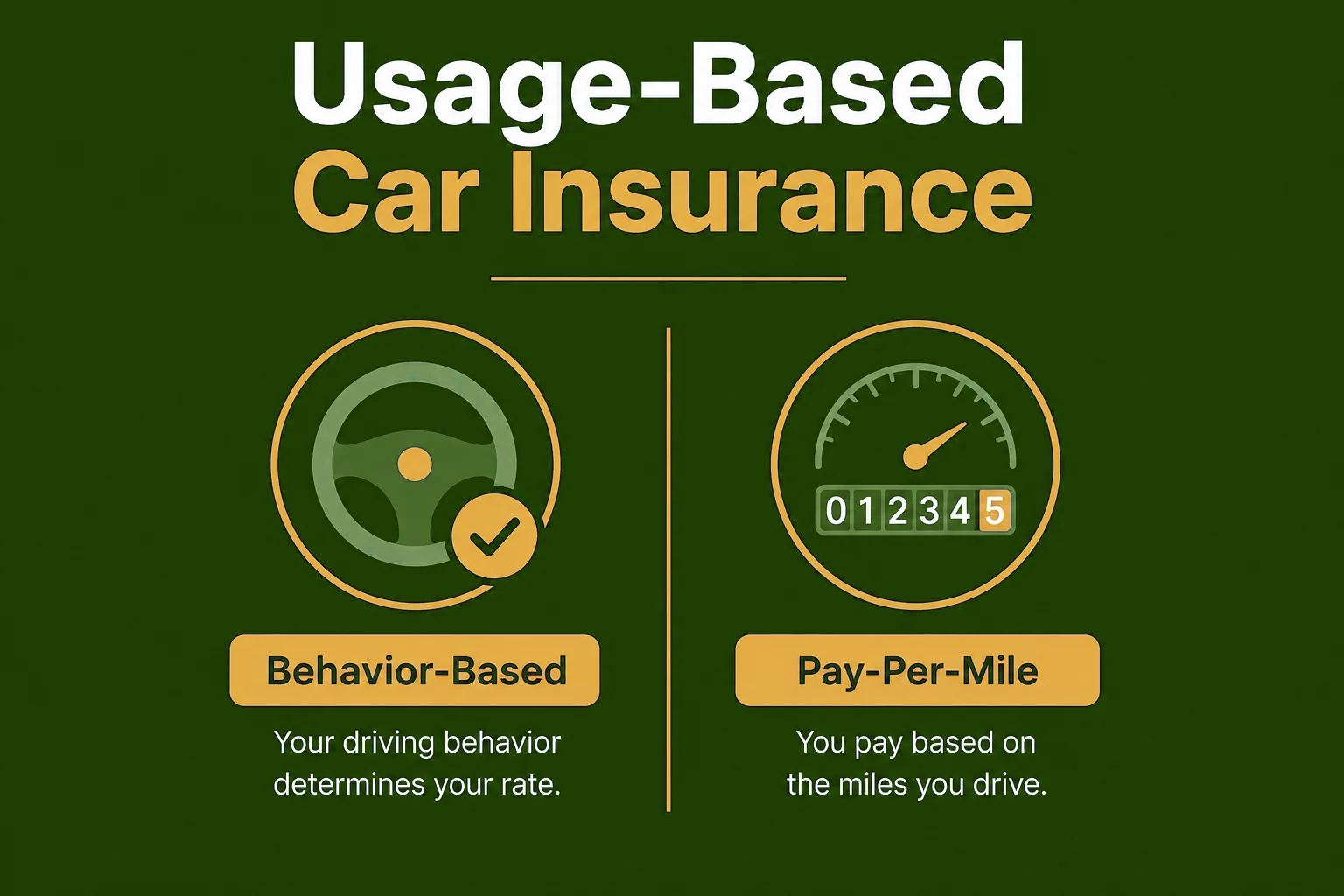
| Type | How you’re charged | Who it fits best |
|---|---|---|
| Behavior-based | A regular policy with a discount or surcharge based on your driving habits | Careful drivers who drive a normal amount |
| Pay-per-mile | A low base rate each month plus a set price for every mile you drive | People who work from home or drive rarely |
Some programs blend both. The names change by insurer. You’ll see programs such as Progressive Snapshot and State Farm Drive Safe and Save and Allstate Drivewise. Pay-per-mile options include Allstate Milewise and Nationwide SmartMiles. Availability depends on your state.
What the app usually tracks
- How many miles you drive
- Hard braking and fast acceleration
- Speed compared with the road and sometimes speeding over the limit
- Phone handling while the car is moving
- The time of day you drive with late nights often counting as riskier
- Sharp cornering on some programs
Most programs use your phone’s sensors. Some use a small plug-in device or data straight from your car’s built-in system. Read the program terms to see exactly what’s collected.
Can it raise your rate?
This is the question people forget to ask. And honestly it’s the most important one.
Some programs only offer discounts and never surcharges. Others can raise your price if your driving looks risky. A few states limit how this works. So before you enroll ask the insurer in plain words. Can my rate go up because of this program in my state?
If the answer is yes, think honestly about how you drive. If you often brake hard in traffic or drive late at night or check your phone at red lights, the app will notice.
Who usually saves
- Remote workers and retirees who drive only a few thousand miles a year
- City dwellers who mostly walk or use transit
- Smooth calm drivers who rarely brake hard
- People who rarely drive late at night
- Families with a second car that mostly sits in the driveway
Who should think twice
- Long-distance commuters on a pay-per-mile plan
- Rideshare and delivery drivers who drive late and a lot
- People in heavy stop-and-go traffic every day
- Anyone uncomfortable sharing location and driving data
Heavy traffic is a tricky one. You might be a careful driver but sudden stops in city traffic can still count as hard braking. Some people find that frustrating.
The privacy side
These apps collect real personal data. That includes where you go and when. Before you sign up read the privacy policy and look for answers to a few questions.
- Is the data used only for pricing or also shared with others
- How long is the data kept
- Can the data be used against you in a claim
- Can you stop the program and what happens to your discount then
There have also been news stories and lawsuits about car companies sharing driving data from connected cars with data brokers and insurers. So it’s worth checking your car’s own settings too. The Federal Trade Commission has plain guides on protecting your personal data.
How satisfied are people with these programs
JD Power’s 2026 US Auto Insurance Study ranked insurers on usage-based programs separately. Nationwide came out on top in that group with a score of 711 on a 1,000-point scale. Satisfaction studies don’t tell you what you’ll save. But they hint at how the experience feels day to day.
Small habits that can raise your score
If you do join, a few simple changes can make a real difference in what the app sees. None of them are hard. Most of them also make you a safer driver, which is the whole point.
- Leave more space behind the car in front so you rarely need to brake hard
- Put your phone in a mount or a bag before you start the car
- Turn on your phone’s driving focus mode so texts wait until you park
- Ease into the gas when the light turns green
- Combine errands into one trip to cut total miles
- Plan longer drives for daytime when you can
The phone habit matters more than most people expect. Many apps treat any phone handling while moving as a red flag even if you only tapped to change a song. Setting up your music or map before you leave the driveway solves that.
And don’t stress over a single hard stop. One sudden brake to avoid a deer won’t ruin your score. These programs look at patterns over weeks and not one bad moment.
How to try it step by step
Step 1: Look at your real driving. Check your odometer or your phone’s map history to estimate yearly miles.
Step 2: Get a normal quote first. That’s your baseline for comparison.
Step 3: Ask the insurer what discount you might earn and whether your rate can go up.
Step 4: Read the privacy terms and the rules for leaving the program.
Step 5: If you join, drive the way you normally would. Then look at the app’s feedback. Many people find it makes them a little calmer behind the wheel.
Step 6: At renewal compare your final price with fresh quotes from other insurers.
A hypothetical example
Picture a nurse who switched to a hybrid work schedule. She now drives about half as much as before. A pay-per-mile plan could fit her well because most of her old premium was built around a long commute.
Now picture a delivery driver who works evenings and drives a lot. A behavior-based program could flag his late hours and high miles. For him a standard policy with other discounts might be the better choice.
These are only illustrations. But they show how much the right answer depends on your own habits.
Common mistakes with usage-based car insurance
- Joining without asking if your rate can go up
- Choosing pay-per-mile when you drive a lot
- Forgetting that a passenger’s trip may be logged as yours unless you mark it
- Skipping the privacy policy
- Assuming the discount lasts forever without checking at renewal
- Not comparing the final price with other insurers
Frequently asked questions
How much can I save with usage-based insurance?
It varies a lot by insurer and state and how you drive. Some drivers save a meaningful amount and some see little change. Ask each insurer for its own range.
Can I quit a usage-based program?
Usually yes. But you may lose the discount. Ask what happens before you enroll.
Does it work for teen drivers?
It can. Some families like the feedback for new drivers. Our guide on car insurance for teenage drivers covers more ways to save.
A calm way to finish
Usage-based car insurance rewards the drivers it was built for. If you drive carefully or not very much it can be a smart move. If you drive late and often it may cost you. Ask the right questions first. Then let your real habits decide.
Prices have been rising for many drivers. Our article on why car insurance rates are rising explains what else you can do. You can also compare full policies in our guide to the best car insurance in 2026.
Disclaimer: This article is general information and not advice for your exact situation. Programs and rules vary by insurer and by state. Check the current terms with the insurer or a licensed agent before you enroll.