
Best Home Insurance Policy 2026: What I Learned After Filing My First Real Claim
Three years ago, a pipe burst in my attic while we were away for a long weekend. Came home to water dripping through the kitchen ceiling and a soaked living room carpet. My first thought wasn’t even about the damage, it was “wait, do I actually know what my home insurance covers?”
Turns out, I didn’t. Not really. I’d bought the policy the same week I closed on the house, picked whatever the lender’s preferred company offered, and never looked at it again. That claim taught me more about home insurance in one week than I’d learned in the five years before it.

So this isn’t a “definition of homeowners insurance” article. This is what I actually learned shopping for a new policy in 2026, switching providers, and figuring out what actually matters versus what’s just marketing. And honestly, once I started digging in, I realized home insurance in the USA works pretty differently depending on which state you’re in, so a chunk of this comes down to where you live too. (If you’re also sorting out coverage decisions around the same time, I went through a similar real-world breakdown for life insurance in 2026 too.)
Why Home Insurance Rates Are Different This Year
If you’ve gotten a renewal notice recently and felt your stomach drop, you’re not alone. A big chunk of homeowners are seeing double-digit premium increases this year. It’s not your insurer being greedy, it’s a mix of higher rebuilding costs (materials and labor both went up) and a rough stretch of storms, wildfires, and other large-scale claims across the country that insurers are now pricing in.
The average homeowner is paying somewhere around $200+ a month nationally for a standard policy, but that number swings wildly depending on your state. If you’re in a hurricane or wildfire-prone area, expect to pay noticeably more than someone in a low-risk state.
This is exactly why shopping around actually matters in 2026 more than it used to. The gap between the cheapest and priciest quote for the same coverage can be hundreds of dollars a year, and finding the best home insurance policy for your situation really does come down to comparing real numbers, not just picking a familiar brand name.
The Mistake I Made the First Time Around
I picked my original policy almost entirely on price. Cheapest quote, done, moved on with my life.
What I didn’t understand back then: not all policies pay claims the same way.
There are two main settlement types:
- Actual Cash Value (ACV): Pays what your damaged stuff is worth today, factoring in depreciation. Your 8-year-old roof? You’re getting 8-year-old roof money, not new roof money.
- Replacement Cost Value (RCV): Pays what it actually costs to replace the item or rebuild the structure today, no depreciation subtracted.
My original policy was ACV. When that pipe burst, I learned this the hard way when my payout for the water-damaged carpet and drywall came in noticeably lower than what it cost to actually replace everything. Lesson learned, expensively.
When I switched providers afterward, replacement cost coverage was priority number one, even though it cost a bit more monthly.
Step-by-Step: How I Shopped for a Better Policy
Here’s roughly what I did, and what I’d tell a friend to do:
1. Get your dwelling coverage number right first. This isn’t your home’s market value, it’s what it would cost to actually rebuild it from the ground up (materials, labor, permits). A lot of homeowners are underinsured simply because they used their purchase price instead of rebuild cost. I used a couple of online rebuild cost calculators and cross-checked with a contractor’s rough estimate. The Insurance Information Institute has decent free guidance on this if you want a neutral starting point before talking to an agent.
2. Decide on ACV vs RCV before you even look at quotes. Once you know this upfront, you can compare quotes apples-to-apples instead of getting confused by why one quote is “cheaper.”
3. Get at least 3-4 quotes from different companies. I compared a large national brand, a regional mutual company, and one online-first insurer. The coverage details varied more than I expected, some included water backup coverage by default, others charged extra for it.
4. Ask about additional living expenses (ALE) coverage. This pays for a hotel and extra costs if your home becomes unlivable during repairs. Mine didn’t have a real limit stated clearly in my old policy, and that’s something you want spelled out, not vague.
5. Check for bundling discounts. Bundling home and auto insurance with the same company knocked a decent chunk off my total premium, sometimes discounts run as high as 20-30% depending on the insurer.
6. Look at claims satisfaction data, not just price. J.D. Power publishes annual property claims satisfaction studies that rank insurers on how well they actually handle claims, not just how cheap their quotes are. A policy is only as good as the company’s willingness to pay out fairly when something goes wrong.
7. Read the exclusions section. Actually read it. Flood damage, for example, usually isn’t covered under a standard homeowners policy at all, you need separate flood insurance, often through the National Flood Insurance Program, regardless of who your home insurer is.
Real Differences I Noticed Between Companies
While shopping, a few patterns stood out that are worth knowing:
- Some insurers include a free smart home monitoring device (like a water leak sensor or electrical monitor) that can help prevent claims before they happen, worth asking about since it’s essentially free risk reduction.
- Military families and veterans often get meaningfully better rates and perks through insurers that specialize in serving that community.
- Regional or mutual insurers sometimes beat the big national names on both price and claims satisfaction, but they’re not available everywhere, so availability by state matters.
- Higher-value homes with expensive personal belongings may benefit from specialty insurers that offer higher liability limits and guaranteed replacement cost, standard policies can cap out lower than you’d expect.
How Much Your City Actually Matters
One thing that surprised me while comparing quotes: two people with nearly identical homes can pay wildly different premiums just based on zip code.
If you’re looking for the best home insurance in New York, expect coastal and flood-zone areas (think parts of Long Island or NYC’s outer boroughs) to carry higher premiums than inland parts of the state, mostly due to storm and flood risk. Homeowners insurance in New York also tends to run higher than the national average because of rebuild costs alone, labor and materials cost more there than in most states.
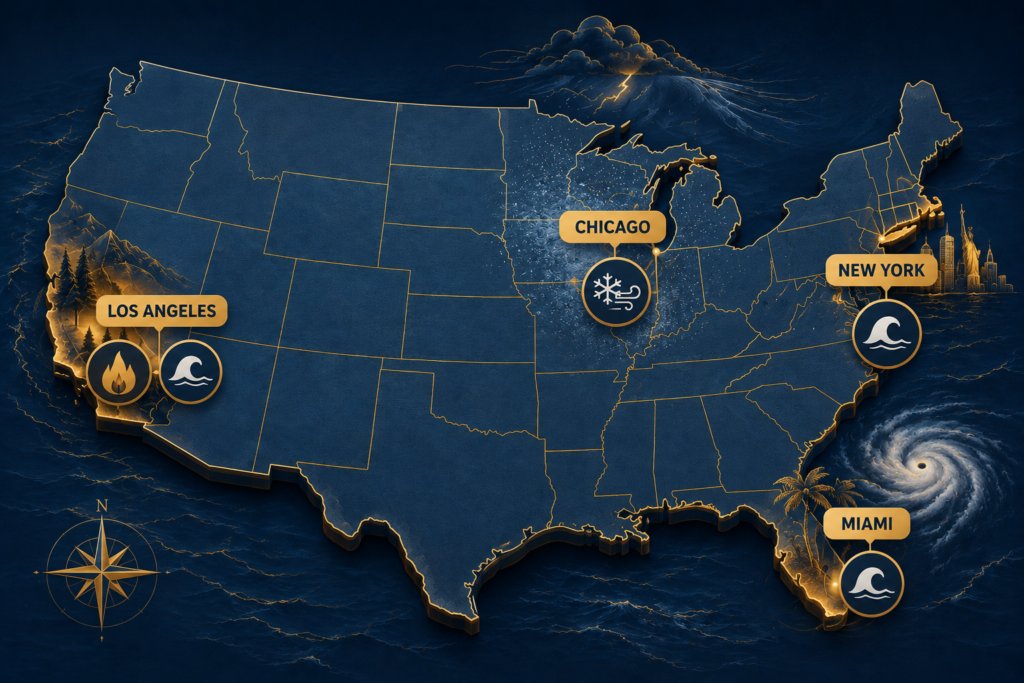
Other cities show the same pattern for different reasons:
- Miami and Houston homeowners pay a premium for hurricane exposure.
- Los Angeles rates reflect wildfire risk in a lot of surrounding areas.
- Chicago tends to sit closer to the national average, with wind and hail being the bigger factors rather than a single catastrophic risk.
The takeaway: don’t just compare national “best home insurance” lists blindly. A company that’s cheapest nationally might not even be the best option, or available, in your specific city.
Common Mistakes I’d Tell Anyone to Avoid
- Assuming your homeowners policy covers flood damage. It almost never does. That’s a separate policy entirely.
- Underinsuring the dwelling coverage. If your coverage limit doesn’t match true rebuild cost, you could be seriously short after a total loss.
- Never updating your policy after renovations. A finished basement or a home addition changes your rebuild cost, and your coverage should reflect it.
- Ignoring your deductible amount. A lower premium often comes with a higher deductible, know what you’d actually owe out of pocket before a claim, not after.
- Not documenting your belongings. After my claim, I started keeping a simple photo inventory of rooms and valuable items on my phone. It made the claims process so much faster the second time something happened (a hailstorm dented our siding last year).
- Renewing on autopilot every year. Rates shift, and insurers don’t always tell you when a competitor could be offering better value for the same coverage.
Where This Leaves Me Now
My current policy costs a bit more than my original one, but it actually pays what it says it will when something goes wrong. That’s really the whole point of insurance, and it’s something I didn’t understand until I had to file a real claim.
If you’re renewing this year or shopping for the first time, don’t just chase the lowest number on the quote page. Get the dwelling coverage right, understand ACV vs RCV, and actually compare a few real quotes before deciding.
I write about this kind of practical, real-world insurance stuff regularly over on Insurance Pikr. If you’re also thinking through life insurance decisions around the same time you’re sorting out home coverage, I broke down my own experience with that too in Best Life Insurance in 2026.
For rebuild cost guidance and general home insurance basics, the Insurance Information Institute is a solid, unbiased place to double check numbers before you commit to a policy.